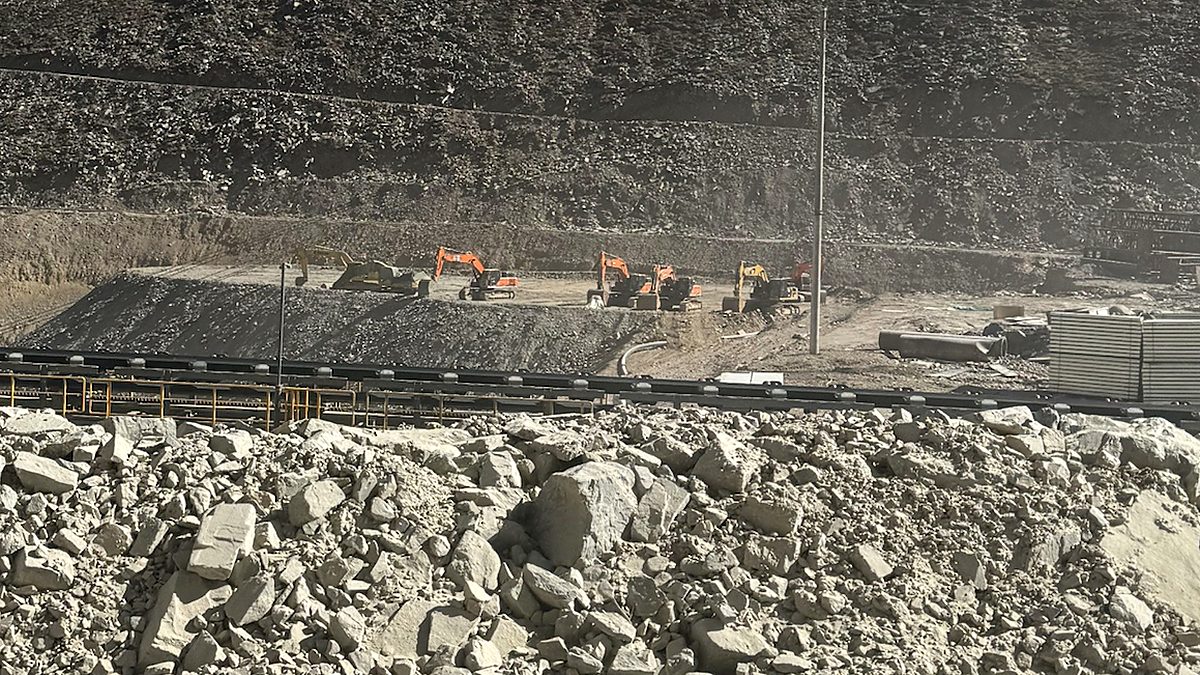
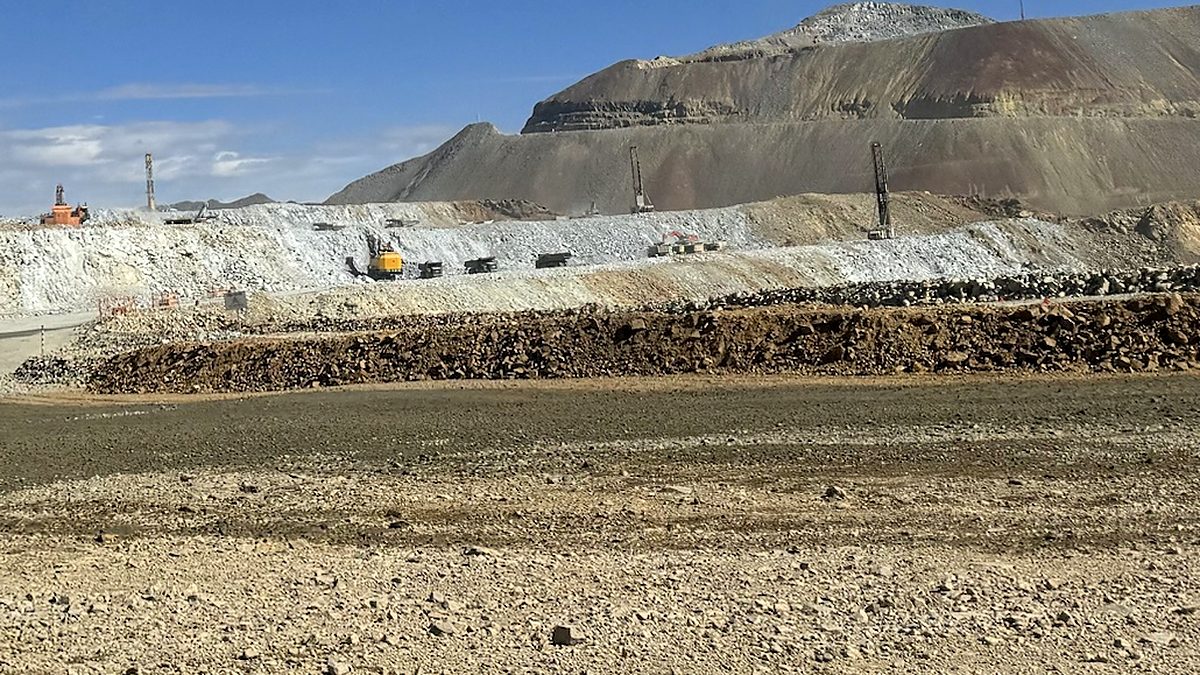
Smart Mining
A connected mine begins
with a machine that can speak.
SNTWET puts cross-brand equipment knowledge into every machine on site: a digital passport and an AI steward. XCMG, SANY, Cat and Komatsu on the same bench, one brain.
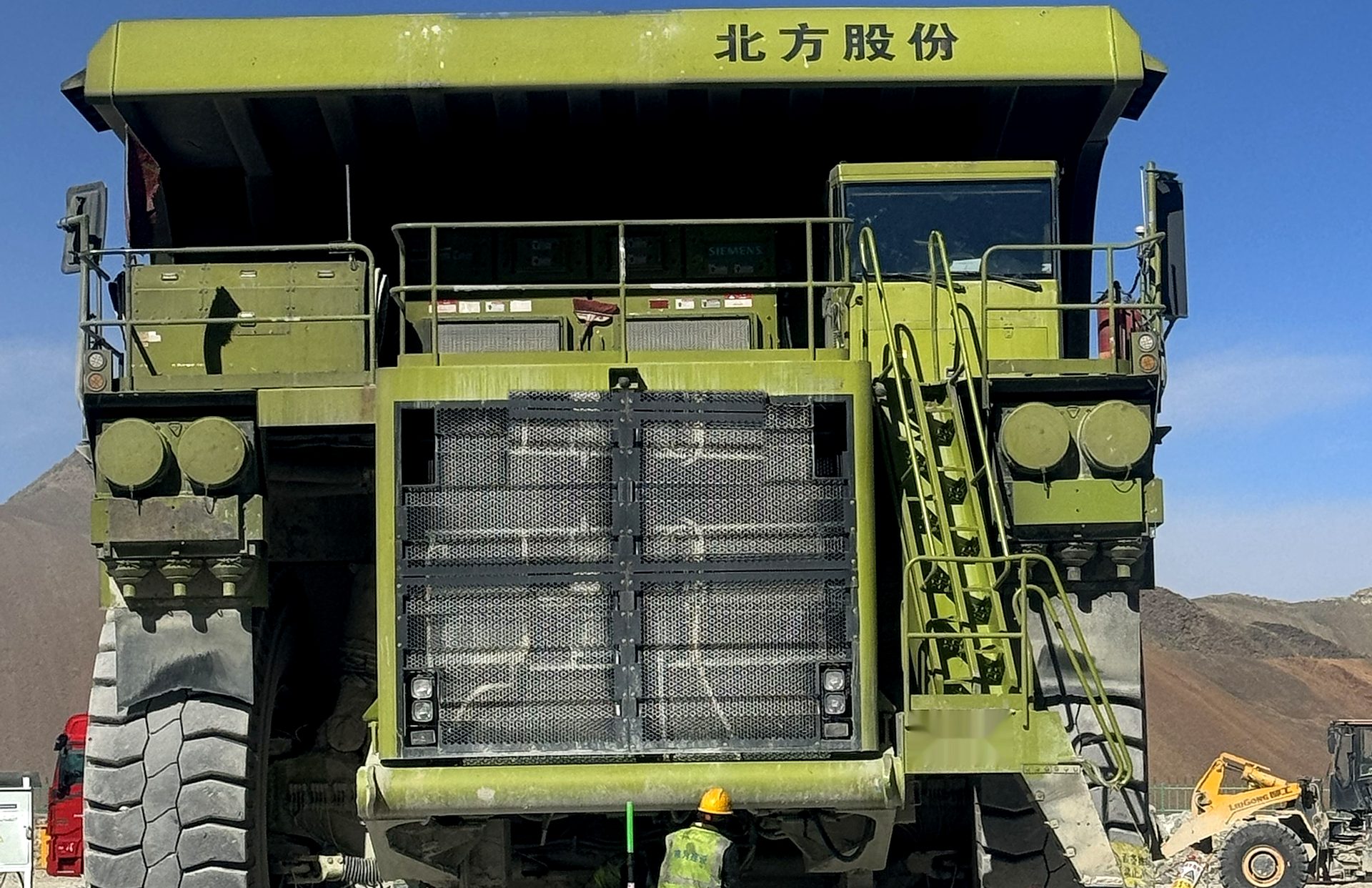
What a Mine Needs
Five questions a mine manager asks every day.
A smart mine is not a pile of hardware and screens. It answers the questions a mine operator asks every day: are we safe today, are the tonnes there, is cost per tonne coming down, do we have enough people, will the numbers stand up to scrutiny. Under each question sits a layer of equipment data.
No incidents today. Can we show the inspector?
People, machines and management all have to stand up to inspection: where people are, whether vehicles will collide, whether the slope is stable, whether machine safety is on record.
Are the tonnes there, and where is the bottleneck?
Output depends on truck-shovel matching, haul cycle times and availability. One truck down for a day is hundreds of tonnes.
Is cost per tonne falling, and where does the money go?
Fuel, tyres, parts and downtime are the big costs in an open pit. Unless they land on a single machine, the cost sinks stay hidden.
Enough people, and what happens when the old hands leave?
Fewer people in hazardous zones, shortages in key roles; repair judgement lives in experience, and experience walks out with people.
Will the reports and ledgers stand up?
Regulators want data, head office wants reports, and records must survive a change of contractor. Every conclusion needs a source.
Framework
The smart mine framework:
four layers, one picture.
From sensing on machines and site, to the mine's private network, to a unified data platform, to applications for safety, production, equipment and energy. The cross-brand equipment brain and the equipment passport sit in the platform layer, supporting five applications above and connecting to site sensing below. One knowledge base for the whole fleet.
Safety
Safety has three layers: people, machines, management.
Safety is a veto. People need positioning, vehicles need collision avoidance, slopes need monitoring, machines need intrinsic safety, and management needs closed loops with traceable records. All three layers share the same equipment data and site sensing, so every layer stands up when the inspector arrives.
Where people are, and how far from danger.
Fewer people in hazardous zones; key roles visible.
- Personnel positioning and geofencing: instant alerts on entering blast or slope zones
- Collision avoidance: blind spots, passing and reversing alerts for haul trucks
- Remote operation and autonomous trucks take people out of the cab
- People and vehicle positions feed the command centre, the whole site on one screen
The equipment layer, ready for inspection at any time.
Intrinsic safety and traceable records are the first two things an inspector asks for.
- Brake, steering and hydraulic systems: inspection steps, torque and lock-out requirements straight from OEM manuals
- Correct part numbers, no wrong parts fitted, less waiting and fewer errors
- Inspection and service records traceable per machine, documentation on call
- Machine health alerts, moving faults from repair-after to prevent-before
Inspections on record, hazards closed out.
Procedures only stand up to inspection when they live in data.
- Inspections and servicing run off the ledger; due items surface automatically
- Every repair reference carries its source page; no inspection rests on word of mouth
- Digital safety inspections: hazard logging, rectification and re-check in a closed loop
- Slope, weather and dust data connected, with threshold alerts
Production & Cost
Lost tonnes and spent money
both land on a single machine.
Output depends on truck-shovel matching, haul cycles and availability; cost on fuel, tyres, parts and downtime. Unless they land on a single machine there is only a total, never an answer. Five ledgers, parts, downtime, fuel, tyres and cycle time, settled per machine, down to the hour.
Per-Machine Ledger
One machine, one ledger:
cost per tonne gets a denominator.
Hours, maintenance, parts consumption and repair cost roll up per machine; fuel, availability and health write themselves in, so per-machine cost resolves to the hour; output and cost sit in one table, and cost per tonne splits by machine, by shift and by bench.
Equipment Assets
A mixed fleet, one ledger.
Seventeen brands on the same site; crews, teams and contractors change, and the machine's knowledge must not leave with them. Every machine gets a digital passport: model and serial, hours, service and parts history, cross-references, rental and cash flow, travelling with the machine. It is the data foundation under safety, production, cost and the command centre.
People
Fewer people, safer mine.
Experience that stays.
Mines face two people problems: hazardous zones need fewer people while key roles are short-handed; and the old hands' judgement lives in their heads, so when they leave, it goes. The first is solved by remote and autonomous operation, the second by putting experience into the equipment brain. Do both, and the site genuinely runs with fewer people.
New technicians get it right by the manual.
- Enter model, symptom and fault code; get the inspection sequence, standard values and applicable conditions, with source pages
- Cross-brand parts lookup across 17 brands in one query, no memory required
- Field judgement from experienced hands becomes records in the machine file: searchable, reusable
Remote operation and autonomous driving.
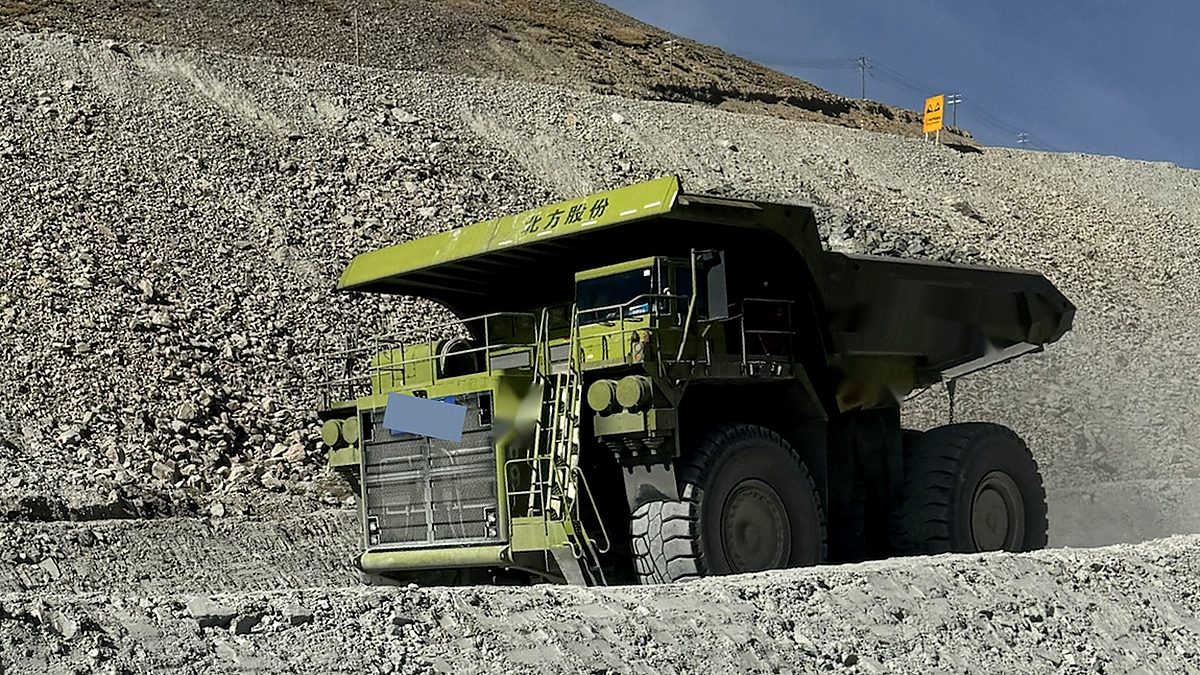
- Autonomous haul trucks: drive-by-wire chassis, vehicle-road coordination
- Remote-operated excavators and dozers; no one sent onto hazardous benches
- The equipment brain connects to autonomous trucks and dispatch: one brain for the whole fleet
One person manages more machines.
- Service due dates surface automatically; no more paging through logbooks
- Parts gaps analysed automatically; the warehouse stops guessing
- Health alerts replace manual walk-around inspections
Data & Command
Reports that stand up,
the whole site on one screen.
Regulators want data, head office wants reports, and records must survive a change of contractor. The data platform brings safety, production, equipment and energy data onto one foundation; above it sits the command centre's digital-twin cockpit, and below it every number traces back to one machine and one record.
Traceable per machine.
- One cross-brand file per machine: ledger, maintenance, parts consumption, travelling with the machine
- Inspection and service records per machine, ready for any regulatory check
- Every repair reference carries its source page and part number
Collected automatically; the file grows itself.
- Hours, fuel, position and health written into the passport automatically
- Per-machine cost, availability and downtime causes reported by shift
- Energy and carbon accounted per machine, feeding group reporting
The digital-twin cockpit.
- Safety, production, equipment and energy on one screen: people and vehicle positions, slope status, machine health, shift output
- Multi-agent coordinated dispatch, connected to autonomous trucks
- Group-level comparison across sites, on one set of definitions
Why Start Here
Why start at the equipment layer.
Safety, output, cost, people and data: all five questions rest on equipment. Clean equipment data gives the applications above a denominator; equipment knowledge in the brain is what lets the site run with fewer people.
Contact
Start with one machine. Tell us about your site.
Tell us your fleet mix, the state of your equipment ledgers and the one problem you want solved first, and we will bring the smart mine to your site together.
Equipment covered